
Food Allergy Alert
If you or a family member has a food allergy, proper nutrition management is essential. Always read food labels carefully, be aware of cross-contamination risks, and consult with a healthcare professional for personalised guidance. This guide provides educational information to support informed eating choices.
Manage Food Allergies with Confidence
Living with food allergies doesn't mean compromising on nutrition or flavour. Our comprehensive nutrition guide empowers you to make informed dietary choices, discover safe alternatives, and maintain balanced nutrition while avoiding allergens that affect your health.
Whether you're newly diagnosed or managing allergies long-term, we provide evidence-based information to help you navigate meal planning, read labels effectively, and build sustainable eating patterns that work for your lifestyle.
Key Nutrition Strategies for Allergies
Essential approaches to maintaining balanced nutrition while managing your dietary restrictions effectively and safely.
Label Reading Mastery
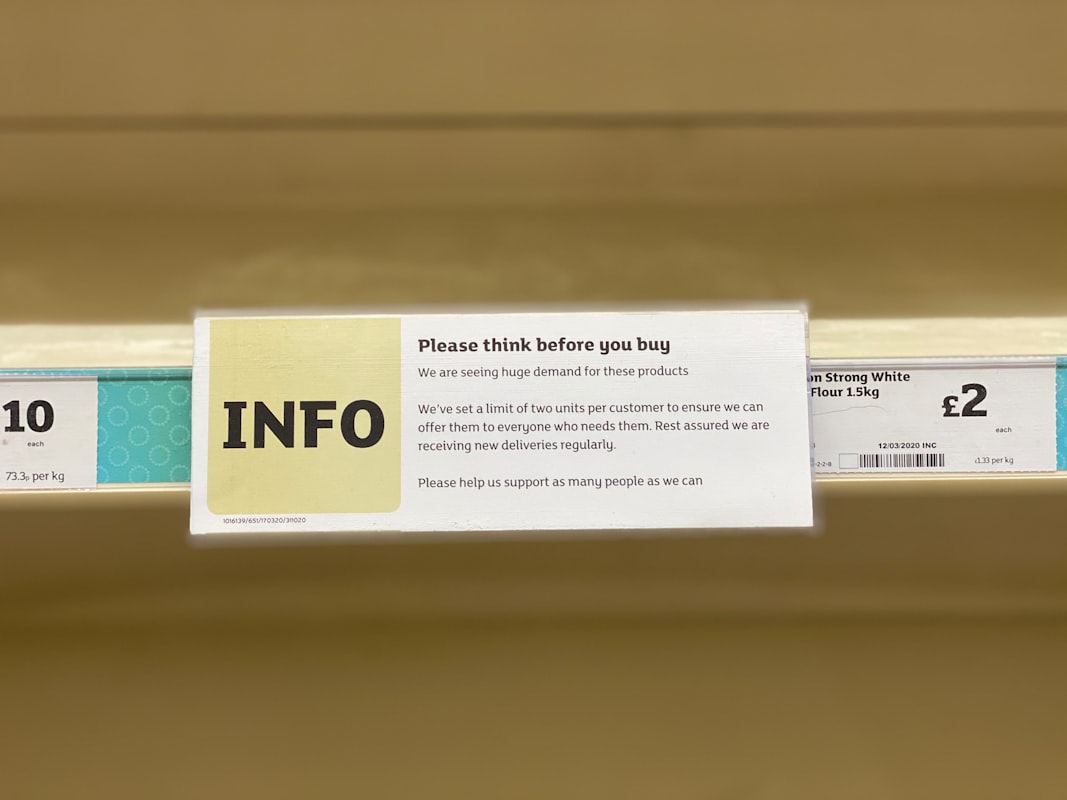
Learn to identify hidden allergens in processed foods, understand ingredient lists, and recognise warning labels. Proper label reading is your first line of defence in allergen avoidance and safe food selection.
Nutritional Balance
Discover how to replace nutrients from avoided allergens with safe alternatives. Ensure adequate protein, calcium, iron, and other essential nutrients through diverse, allergen-free food choices.
Safe Kitchen Practices
Prevent cross-contamination through proper food handling, storage, and preparation techniques. Create an allergen-safe kitchen environment for yourself and your family members.
Your Path to Safe Eating: 5-Step Guide
A structured approach to meal planning and allergen management that builds confidence and supports long-term nutritional wellbeing.
Identify Your Allergies
Work with a healthcare professional to confirm which foods trigger your allergic responses. Keep a detailed food diary to track symptoms, timing, and severity. Understanding your specific triggers is the foundation of safe eating.
Plan Your Meals
Create weekly meal plans that accommodate your allergen restrictions while ensuring nutritional completeness. Focus on whole foods, seasonal produce, and naturally allergen-free options. Planning ahead reduces stress and prevents accidental exposure.
Learn Safe Alternatives
Explore substitute ingredients and products that replace common allergens without sacrificing nutrition or taste. Experiment with diverse cuisines and cooking methods that naturally avoid your triggers. Building a repertoire of safe recipes ensures long-term sustainability.
Establish Kitchen Safety
Implement clear labelling systems, dedicated preparation areas, and separate utensils for allergen-free cooking. Train household members on cross-contamination prevention. A safe kitchen environment protects everyone and builds confidence in meal preparation.
Monitor and Adjust
Review your nutrition regularly to ensure balanced intake of all essential nutrients. Adjust meal plans based on seasonal availability, lifestyle changes, and evolving food preferences. Continuous monitoring ensures your diet remains both safe and nutritionally adequate.
Common Questions About Food Allergies and Nutrition
What's the difference between food allergies and intolerances?
Food allergies involve an immune system response that can range from mild to severe, while food intolerances typically cause digestive discomfort without immune involvement. Both require dietary management, but allergies demand stricter avoidance due to safety risks. Understanding this distinction helps you respond appropriately to your symptoms and manage your diet effectively.
How can I ensure I'm getting enough protein if I avoid multiple allergens?
Many protein sources exist beyond common allergens. Consider legumes, seeds, pseudocereals, and quality allergen-free whole grains. Combining plant-based proteins strategically throughout the day ensures complete amino acid profiles. An educational resource or registered dietitian can help you build diverse, nutrient-complete protein strategies tailored to your specific restrictions.
Are organic and "free from" labels actually safer for allergies?
Labels like "organic" and "free from" indicate production standards but don't guarantee allergen safety unless specifically certified allergen-free. Cross-contamination can occur during manufacturing regardless of farming methods. Always read detailed ingredient lists and check for allergen warnings, even on products marketed as safe alternatives.
What should I do when eating out with food allergies?
Always inform restaurant staff about your allergies clearly and specifically. Ask detailed questions about ingredients, preparation methods, and cross-contamination risks. Choose restaurants with allergen-friendly menus or those willing to accommodate special requests. Learning to communicate your needs confidently helps you enjoy dining experiences while staying safe.
Can children outgrow food allergies?
Some allergies, particularly to milk, eggs, and soy, may resolve in childhood, while others like peanut and shellfish allergies often persist into adulthood. Periodic review with a healthcare professional helps track changes and adjust dietary management accordingly. Never reintroduce avoided allergens without professional guidance.
How do I shop efficiently while managing multiple food allergies?
Build a personal approved foods list and shopping checklist to streamline grocery trips. Use apps that flag allergens in product databases. Shop the perimeter of supermarkets where whole foods concentrate. Plan meals before shopping to avoid impulse purchases. Organisational systems reduce decision fatigue and minimise accidental allergen exposure.
Allergen-Free Food Categories
Discover naturally safe foods and categories that form the foundation of balanced allergen-free nutrition.
Fresh Vegetables
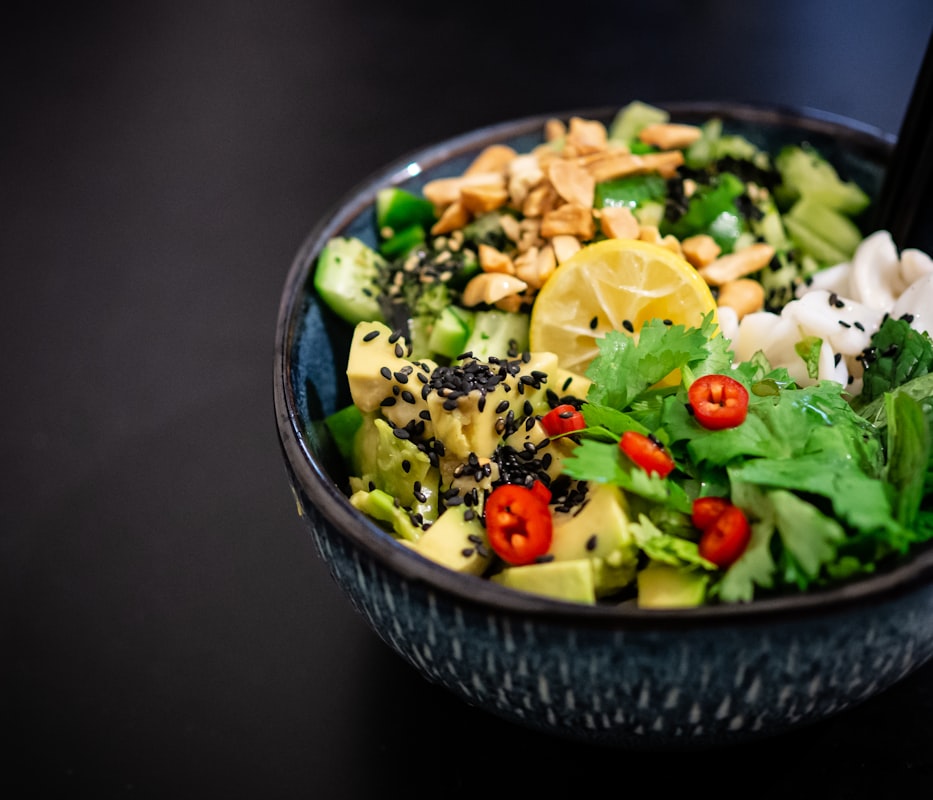
Naturally allergen-free vegetables provide essential vitamins, minerals, and fibre. Most fresh produce is safe for multiple allergy types, making vegetables the nutritional foundation of allergen-free eating.

Fresh Fruits
Whole fruits offer natural sweetness, fibre, and micronutrients without common allergens. Include diverse seasonal fruits to maximize nutritional variety and support digestive health.

Legumes
Beans, lentils, and peas provide plant-based protein, fibre, and essential nutrients. They're versatile staples for replacing protein from common allergens like peanuts and soy.
Gluten-Free Grains
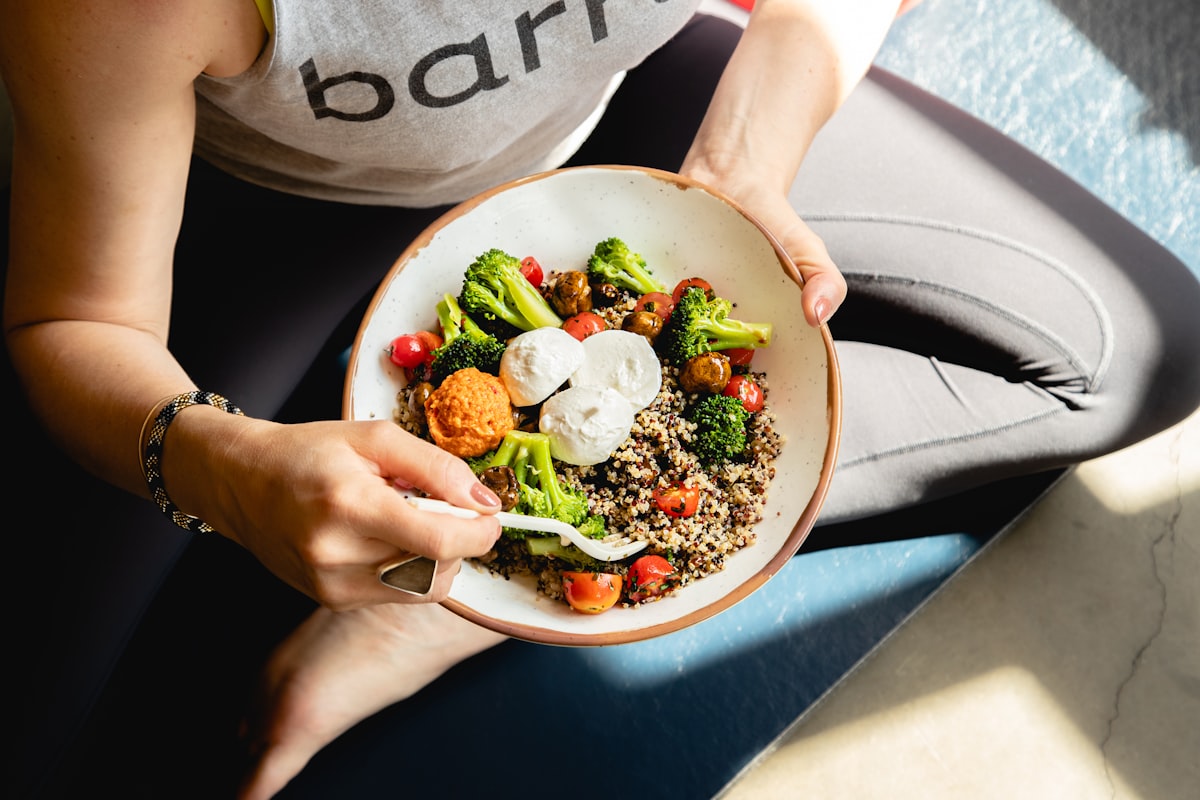
Rice, quinoa, millet, and corn provide carbohydrates and B vitamins without gluten. These grains form the base of many allergen-free meal plans and regional cuisines worldwide.
Seeds and Safe Nuts
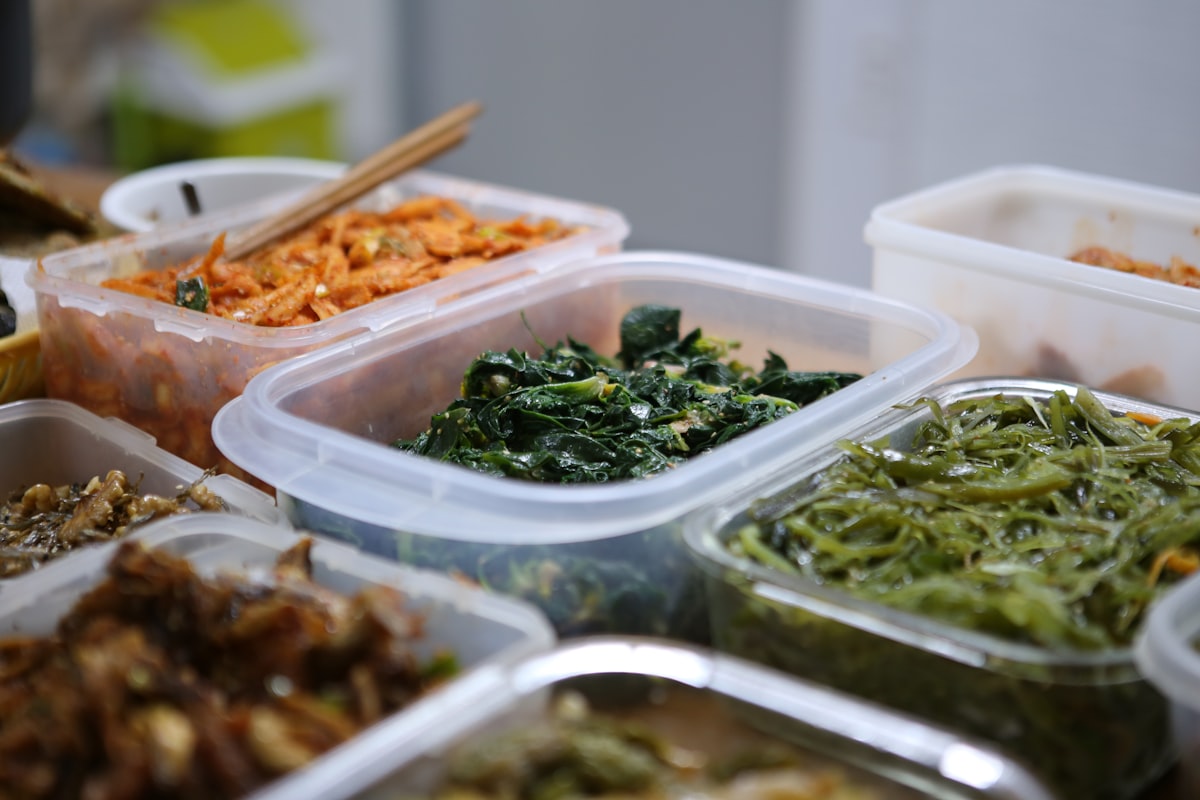
Sunflower seeds, pumpkin seeds, and allergen-safe nuts provide healthy fats, protein, and minerals. Choose options based on your individual allergy profile to avoid cross-reactions.
Herbs and Spices
Natural herbs and pure spices add flavour without allergens. Fresh or dried herbs enhance nutrition and make allergen-free cooking exciting and satisfying.
Real Stories from Our Community
After my diagnosis, I felt overwhelmed trying to navigate meals safely. This guide helped me understand label reading and discover alternatives I actually enjoy. My family eats together again without worry, and I've never felt healthier. The practical strategies transformed how I approach food.
Sarah Mitchell
Manchester
My daughter was diagnosed with multiple allergies at age seven. The step-by-step guide and meal planning resources gave us confidence we'd never lose her to an accident. She now makes safe choices independently and explores cooking. This information has been genuinely life-changing.
James Chen
Birmingham
Living with shellfish and tree nut allergies was isolating until I found detailed guidance on safe alternatives and international cuisines. I now enjoy Thai food, Mediterranean meals, and Asian cooking without anxiety. The nutritional information ensures I'm meeting my dietary needs completely.
Emma Richardson
London
As a nutritionist supporting allergy clients, I recommend this guide constantly. The evidence-based information, practical kitchen safety protocols, and balanced approach to substitute ingredients have directly helped my practice. It's comprehensive without being overwhelming.
Amelia Thompson
Bristol
Why Choose Nutritional Wellness Core
Our editorial approach combines evidence-based nutrition science with practical, real-world guidance for living confidently with food allergies.
Evidence-Based
Our articles and guides are researched thoroughly, citing current nutritional science and allergy management best practices to ensure you receive accurate, reliable information.
Community Focused
We feature real experiences from allergy sufferers and feature perspectives that matter. Our community section connects you with others navigating similar challenges and solutions.
Practical Guidance
Beyond theory, we provide actionable strategies for meal planning, shopping, restaurant dining, and kitchen safety that you can implement immediately in your daily life.
Comprehensive Resources
From allergen identification guides to detailed recipe collections and nutritional information, we maintain an extensive library to support every aspect of allergen-free eating.
Non-Judgmental Approach
We recognise that living with allergies is challenging. Our tone is supportive and practical, never shaming, helping you build confidence in managing your dietary needs effectively.
Global Perspectives
We explore how different cultures and cuisines naturally accommodate food allergies, expanding your meal options and helping you discover new foods and flavours safely.
Stay Informed with Our Latest Content
Subscribe to receive updates when we publish new articles, guides, and nutritional insights for managing food allergies effectively.
We respect your privacy. Unsubscribe anytime. Read our privacy policy.
Explore Our Content Library
Discover comprehensive articles, detailed guides, and expert perspectives on nutrition and food allergies.

Allergen-Free Recipes
Browse our collection of tested recipes designed specifically for multiple allergy types. Each recipe includes nutritional information and ingredient substitution options.
Explore Recipes →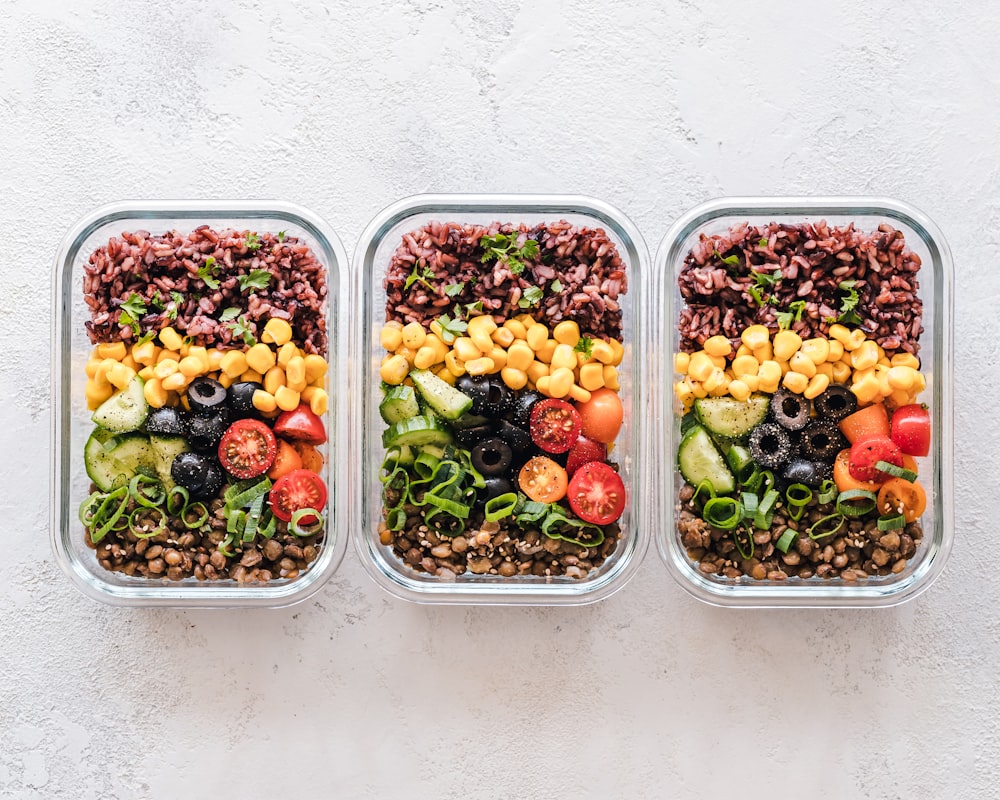
Allergen Guide
Detailed profiles of major allergens, their sources, cross-reactivity information, and safe substitutes. Learn to identify hidden allergens in common products.
Learn More →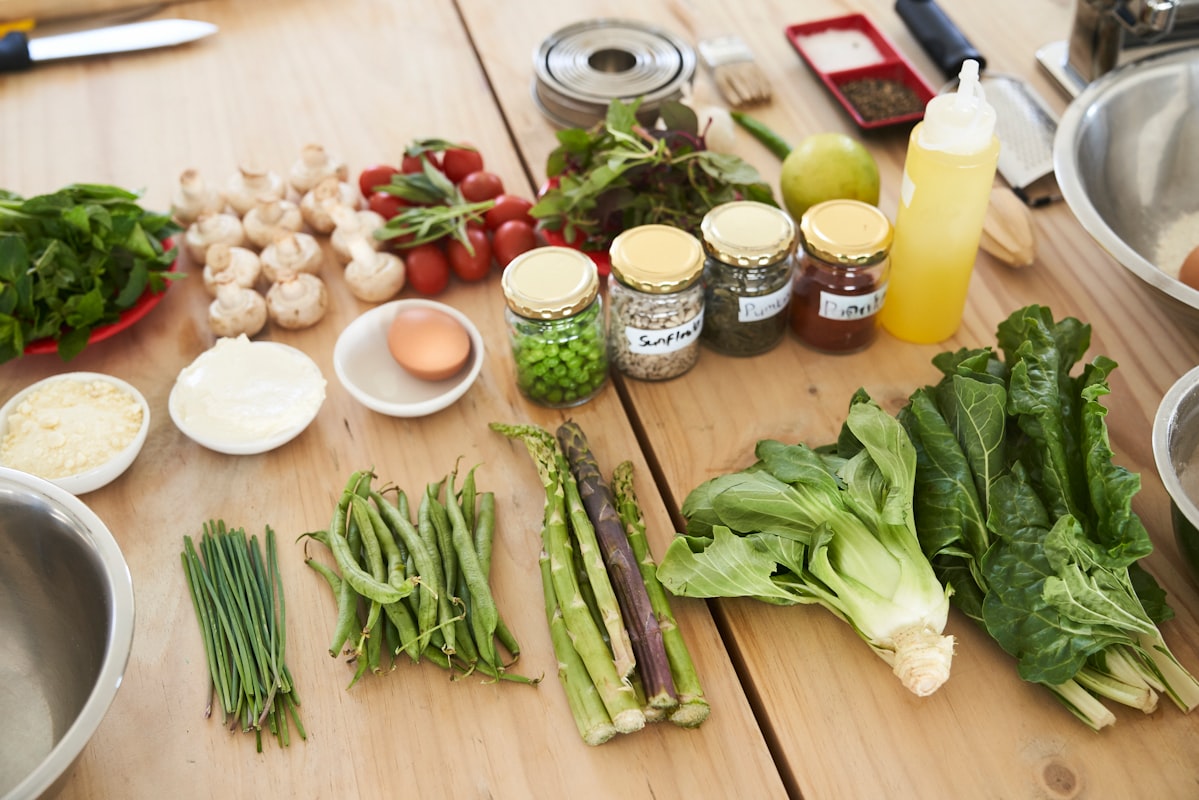
Frequently Asked Questions
Find answers to common questions about food allergies, nutrition, label reading, dining out, and managing allergies throughout different life stages.
Read FAQs →Access Our Free Allergy Management Resources
Download comprehensive guides covering allergen identification, meal planning templates, shopping checklists, and kitchen safety protocols to empower your nutritional journey.
Download Free ResourcesGet Personalised Guidance
Have questions about the content we provide or suggestions for topics? Our editorial team welcomes feedback and inquiries about nutritional topics and allergy management strategies.
While we provide comprehensive educational information, always consult with a healthcare professional for personalised medical or dietary advice specific to your circumstances.
Contact Our Team